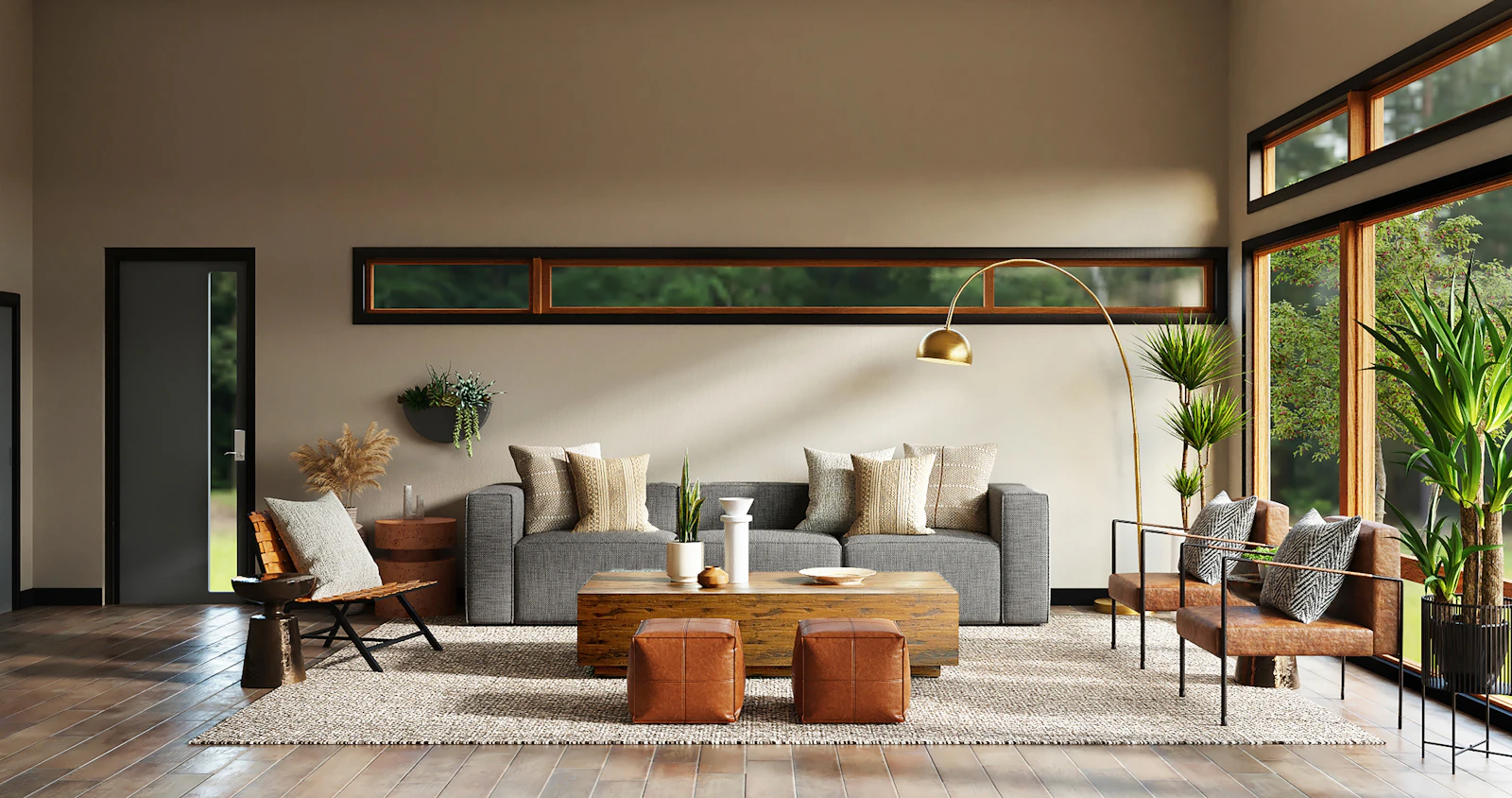
Scandinavian minimalism is not about empty white rooms. For real families, it is a practical way to keep the house calm, warm, and easy to clean while life happens around it.
Many people hesitate to try minimalism because they imagine cold spaces where children and pets are not welcome. The Scandinavian version is different. It grew out of long winters, small homes, and a habit of gathering indoors, so comfort was always part of the plan. Think pale wood floors that bounce daylight around, a deep sofa you can actually nap on, baskets that swallow toys in two minutes, and one warm lamp glowing in every corner. This guide shows how Scandinavian minimalism works for busy households: honest materials, soft layers, smart storage, gentle color, and lighting that flatters everyone. Seven warm looks, no showroom stiffness.
What Scandinavian Minimalism Really Means for Families
At its core, Scandinavian minimalism asks a simple question: does this item make daily life easier or calmer? If the answer is no, it does not earn floor space. That filter is liberating in a family home, where every surface tends to collect school papers, chargers, and half-finished crafts. Instead of chasing a magazine look, you design clear routines: a place for shoes by the door, a lidded basket per child in the living room, a kitchen counter with only the kettle and a wooden board left out.
The style also respects tight budgets and real floor plans. Most Nordic apartments are compact, so furniture stays slim, leggy, and multi-purpose: a drop-leaf dining table, a daybed that doubles as a guest bed, nesting side tables that pull out when friends visit. Keep circulation paths at least 80 cm wide so strollers and laundry baskets pass without scraping walls. When you compare it with its close cousin, you will see the overlap clearly in our guide to the rise of Japandi, where Japanese calm meets Scandinavian warmth. Both styles prize restraint, natural texture, and rooms that feel settled rather than styled.
A practical starting point is the one-in-one-out rule for one month. Each time a new toy, cushion, or kitchen gadget enters, a similar item leaves for donation. Families who try it usually report the same surprise: the house does not feel emptier, it feels kinder. Cleaning takes less time, finding things takes less time, and the pieces you keep finally get noticed. Warm minimalism is maintenance minimalism first, decoration second.
Warm Woods and Honest Materials Set the Tone
Wood is what keeps Scandinavian minimalism from feeling cold. Pale species such as ash, birch, beech, and white-washed oak reflect scarce winter light and pair gently with white walls. Use them in large, quiet surfaces — flooring, dining tables, open shelving — then layer one deeper tone, like smoked oak or walnut, in a single piece such as a lounge chair or media bench. That contrast gives the room depth without adding visual clutter.
Keep other materials honest and touchable. Linen curtains that wrinkle a little, a wool rug with a visible weave, matte ceramic vases, brushed steel taps, and leather handles that darken with use all age gracefully. Avoid high-gloss plastic and mirror-heavy finishes; they show every fingerprint and fight the soft daylight the style depends on. If you are replacing flooring, choose boards with a matte hardwax-oil finish rather than shiny lacquer. Scratches from toy cars and dog claws blend into a matte surface and can be spot-repaired, while gloss highlights every mark.
Sustainability fits naturally here. Buy the best solid-wood pieces you can afford, preferably secondhand or certified, and repair rather than replace. A twenty-year-old pine dresser sanded back and oiled looks entirely at home next to a new linen sofa. Children learn an important lesson from such rooms: beautiful things are meant to be used, not guarded. Coasters are fine, but the table should survive a forgotten hot mug without family drama.
Soft Textiles That Survive Daily Life
Textiles do the warming work in Scandinavian minimalism. Walls stay pale and furniture lines stay simple, so rugs, throws, and cushions carry the feeling of comfort. The trick for families is choosing weaves that forgive. Flat-weave wool rugs vacuum easily and hide crumbs far better than high-pile shag. Washable cotton or linen slipcovers on sofas survive juice spills with a quick machine wash. Darker, patterned throws in rust, moss, or charcoal earn their place on the arm of every sofa used by children.
- Layer rugs with purpose: a large low-pile wool rug anchors the seating zone, with a smaller washable cotton rug under the coffee table where snacks land.
- Choose washable first: linen-blend cushion covers with zippers, machine-washable throws, and curtains you can take down without a ladder.
- Limit the palette: three textile tones per room — one light neutral, one mid-tone, one warm accent — keeps layering cozy instead of busy.
- Think touch, not pattern: mix knit, woven, and brushed textures in similar tones rather than stacking bold prints.
- Plan for pets: a dedicated wool blanket on one sofa corner protects fabric and gives cats and dogs a clear, welcome spot.
Rotate textiles by season rather than buying more. Heavier wool throws and deep rust cushions come out in October; lighter cotton throws and pale sand cushions return in April. The room feels renewed twice a year with the same storage box of textiles. Store off-season pieces in a breathable canvas bag on top of a wardrobe, never in plastic, so wool stays fresh and moth-free.
Clutter-Free Storage Every Busy Household Can Keep Up
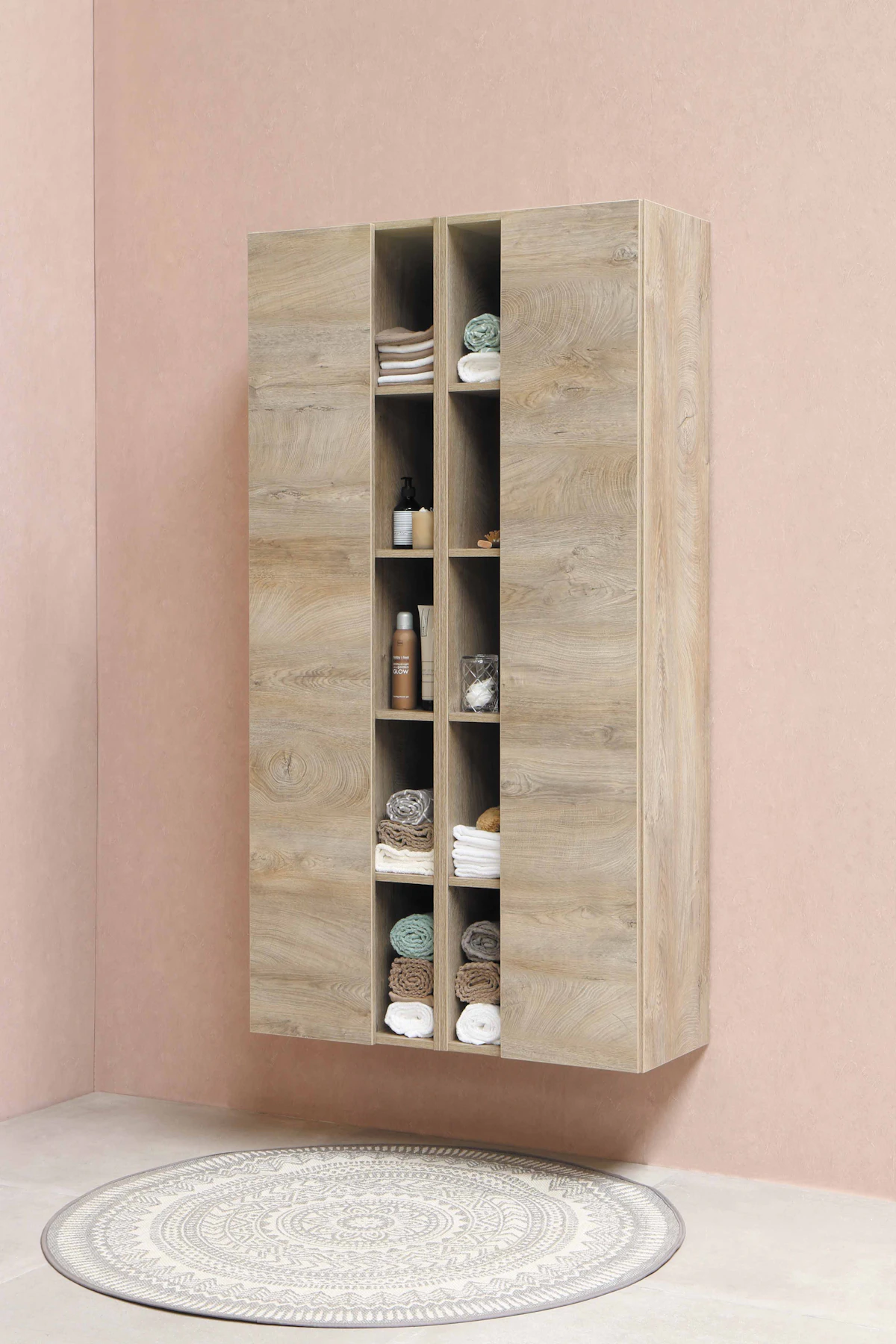
Scandinavian homes look tidy because storage is closed, generously sized, and placed where mess is made. Open shelves hold only books and a few calm objects; everything else lives behind doors. In the living room, a wall-hung sideboard with push-latch doors hides chargers, board games, and homework supplies while keeping the floor visible underneath, which makes the room feel larger and mopping far easier.
| Storage Move | Space Cost | Family Payoff | Best For |
|---|---|---|---|
| Wall-hung sideboard | 30 cm of wall depth | Cables and games vanish | Living rooms |
| Entry bench with lids | One hallway wall | Shoes and hats sorted | Busy entrances |
| Lidded basket per person | One basket each | Two-minute evening reset | Toys and crafts |
| Full-height 60 cm wardrobe | One bedroom corner | Clothes behind doors | Shared bedrooms |
| Window-seat drawers | Under-seat volume | Bedding plus reading spot | Small apartments |
Make the evening reset a family ritual. Set a five-minute timer after dinner: everyone returns items to their basket or cupboard, cushions get plumped, and the throw gets folded once. Because every object has a closed home, the reset actually finishes in five minutes. Homes without assigned places cannot be tidied quickly no matter how strict the rules. Design the storage first, and the habit follows.
Light, Color, and a Palette That Glows in Winter
Nordic light is the real designer of this style. Days are short for months, so rooms are built to catch and multiply daylight: pale walls, sheer linen day curtains, mirrors opposite windows, and low furniture that never blocks the glass. Keep window sills nearly clear — one plant or one candle holder, not a row of small objects — so light pours in undisturbed. For undertone mistakes that make white walls look grey or pink, work through our guide to choose the perfect color palette before repainting.
After sunset, layered warm light takes over. Aim for three glow points per living room: a dimmable arc or floor lamp for reading, a small table lamp on the sideboard, and a candle or paper lantern at low height. Keep every bulb at 2700K so wood tones turn honey-colored in the evening. Our breakdown of the power of layered lighting shows exact heights and dimmer pairings if your ceiling light currently does all the work. The IKEA room planning guides also offer free layouts for small living rooms that balance daylight and lamp pools.

Seven Warm Looks to Try This Weekend
Bring these Scandinavian minimalism ideas home in small steps rather than one big makeover. Start with the room your family uses most, usually the living room, and finish it before moving on. Weekend one: clear surfaces, add one large rug, and swap cool-white bulbs for 2700K. Weekend two: introduce closed baskets, hang linen curtains, and style one calm shelf with books and a single vase. Weekend three: add the warm accent — a rust throw, an oak stool, a paper pendant — and hang one large piece of quiet art instead of a gallery cluster.
Live with each change for a week and notice what gets used. The wool blanket everyone fights over deserves a twin; the designer chair nobody sits in can leave without guilt. Scandinavian minimalism succeeds when the house quietly supports homework, naps, movie nights, and Monday laundry with the same calm face. Warm, livable, and honest — that is the whole point, and it survives daily life far better than any pristine showroom ever could.
Maya covers Scandinavian and Japanese interiors, sustainable materials, and slow living. She has toured maker studios in Kyoto and Copenhagen for interiorden.
Join the discussion
Show us your warm minimalist corner or ask Maya how to keep it cozy with kids and pets.